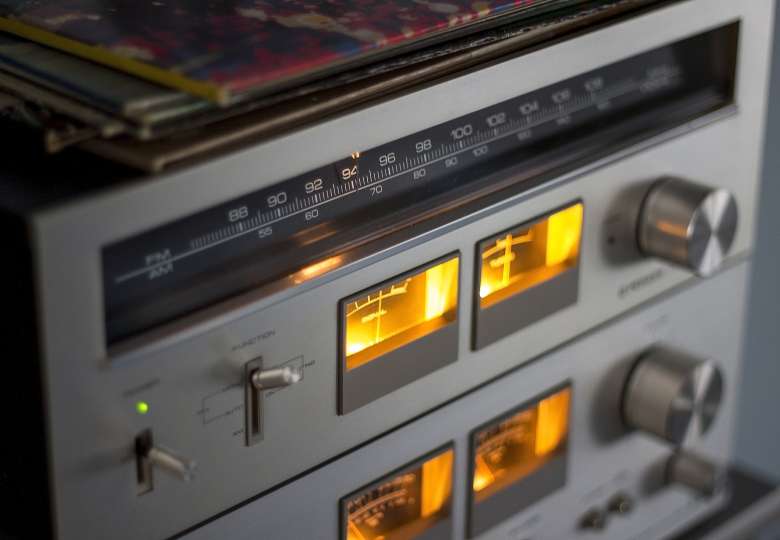
In today’s audio landscape, many of us find ourselves asking: what’s the best way to listen to our favorite tunes or talk shows? Whether you’re stuck in traffic, relaxing at home, or working out, choosing between FM radio and internet radio can feel overwhelming. Both have their loyal fans, but how do you decide which one fits your listening style? FM radio brings a sense of nostalgia with its warm analog sound and local news coverage, while internet radio opens up a vast ocean of content from around the globe at our fingertips. By understanding the key differences and benefits of each, you can make an informed choice that enhances your listening experience like never before.
FM radio offers analog warmth and can provide excellent sound quality, especially with well-engineered stations, whereas Internet radio provides flexibility, a vast range of content, and potentially higher audio quality at high bit rates. Your choice should depend on personal preferences for sound quality, convenience, and the types of programming you enjoy most; while some listeners prefer the reliability of FM, others may favor the diverse offerings and advanced features available through Internet radio streaming.
FM vs. Internet Radio: An Overview
At its core, FM radio operates on frequencies ranging from 88.0 to 108.0 MHz, creating a reliable analog experience for listeners. The beauty of FM lies in its simplicity and familiarity. Many of us grew up tuning into our favorite stations while driving or relaxing at home, enjoying the comforting sound that comes with analog transmission.
However, this method has a limitation: FM radio typically broadcasts within a range of about 40 to 50 miles from the transmitter, meaning that coverage can be patchy depending on geographic location.
In contrast, internet radio uses digital streaming protocols to deliver audio content, allowing us to access stations from anywhere in the world as long as we have an internet connection. It’s not bound by physical distance; instead, it opens up a universe of choices that simply wasn’t possible with FM. With thousands of internet radio stations available globally—unlike the approximately 15,000 FM stations in the U.S.—we have the advantage of exploring a greater diversity of genres and niche programming.
As we examine listener preferences and technology insights, it becomes evident that both formats offer unique benefits and drawbacks related to sound quality and accessibility.
One significant aspect that sets internet radio apart is its variable audio quality. While some streams are transmitted at higher bit rates—like 320kbps—that can rival FM in clarity, many lower-quality streams suffer from degraded sound comparable to poorly broadcasted FM channels. This inconsistency can shape our listening experience in essential ways. Our preference might depend on how much we value uninterrupted sound versus local content tailored to our communities.
Listeners often report trusting their ears more than specifications when choosing their preferred medium. Some appreciate what they describe as the analog warmth of FM over the sometimes clinical precision of digital formats. This personal connection emphasizes how subjective audio preferences can be—a point that resonates with all of us who cherish our uniquely curated playlists and cherished local broadcasters.
As technological advancements continue to unfold, we find ourselves at a crossroads where each format has its own merit in an evolving landscape.
The rise of smartphones and smart speakers has made internet radio increasingly more accessible, especially among younger audiences who enjoy the conveniences these devices offer. However, some challenges persist with digital formats, like buffering issues due to bandwidth limitations or fluctuations in audio quality based on user location or service provider.
Therefore, understanding how our chosen format functions becomes increasingly important as listeners navigate between still-popular FM channels and various internet streams available at our fingertips.
With these considerations in mind, we can better appreciate how each technology operates and the nuances that accompany them.
How Each Technology Works
FM Radio Transmission
FM radio is the classic choice for many listeners because of its straightforward operation. It works by modulating the frequency of radio waves—basically altering the wave’s frequency to carry sound information. A transmitter radiates these frequency-modulated waves over a certain range, typically from 30 to 40 miles, depending on the terrain and power of the station.
However, FM can face challenges. For instance, when radio signals encounter obstacles like buildings or mountains, they can become distorted or even completely blocked. This means that while we often enjoy real-time audio with low latency, our listening experience can be marred by environmental factors.
On the other side of the spectrum (quite literally!), we have internet radio, which offers a different set of advantages and challenges.
Internet Radio Streaming
Our experience with internet radio is rooted in how it transmits audio data over the web. Using protocols like HTTP or RTSP, streaming allows us to access a vast range of channels from all corners of the globe with just a few taps on our devices. Unlike FM radio, which uses analog signals, internet radio relies on digital data packets that are compressed using codecs such as MP3 or AAC.
The cleverness of this technology lies in its ability to reduce bandwidth usage while attempting to maintain audio quality.
However, we should remember that our enjoyment of this format hinges on having a reliable internet connection. Unlike FM, which simply plays back audio signals almost instantaneously, internet radio can suffer from delays—like buffering—if our connection is slow or unstable.
Both FM and internet radio bring unique experiences to our listening habits. FM offers a nostalgic value and an immediate connection to live broadcasts. In contrast, internet radio provides unprecedented access to diverse content globally but requires a trade-off in dependence on technology and connectivity. Understanding these operations helps us make informed choices about how and when we listen to our favorite tunes or engage with captivating talk shows across various mediums like Glacer FM.
As we consider how these technologies operate, it becomes essential to explore their differing audio qualities and channel varieties, shedding light on what each has to offer listeners.
Comparing Audio Quality and Channel Variety
When it comes to choosing between FM and internet radio, audio quality can feel like the defining factor. One of the advantages that internet radio has over traditional FM is the ability to offer high-bitrate streams.
For instance, we often hear claims that streams at 320 kbps can deliver a satisfyingly crisp sound that rivals even CD-quality playback. Yet, it’s important to acknowledge that not all internet radio is created equal; lower bitrate streams, such as those around 64 kbps, might lack depth and clarity, making them less enjoyable to listen to. It becomes a bit of a gamble depending on which station we tune into.
In our experience with FM broadcasts, the audio often exudes a certain warmth, an analog quality that many listeners appreciate. This is particularly true in areas where the signal is strong—nothing beats the reassuring crackle of radio waves cutting through airwaves. However, this warmth can come at a cost; if we venture too far beyond a station’s optimal range, audio quality may degrade swiftly, shifting from melodious sounds into frustrating static.
Moving beyond just sound, let’s consider how channel variety plays into our listening choices.
Channel Variety
Channel variety highlights one of the starkest contrasts between FM and internet radio. While FM is limited by its frequency allocations—meaning there are only so many channels available within any given area—we find ourselves indulging in the endless options available through internet radio. As of 2024, platforms such as TuneIn and iHeartRadio boast an impressive lineup of over 100,000 stations! This dizzying array encompasses everything from local news outlets to niche music genres—there’s truly something for everyone. Imagine being able to discover independent artists broadcasting their work live or listening to international stations celebrating cultural diversity right at our fingertips.
Moreover, our commitment to exploring unique tastes leads us further down a rabbit hole of opportunities found on the internet. Whether we want to dive deep into classical music or enjoy hours of curated playlists from emerging podcasters, the flexibility and reach that internet radio affords us provide an exhilarating freedom that FM simply cannot match.
It’s important for us, as listeners, to weigh these aspects when navigating our options between FM and internet radio. Understanding what matters most to us will significantly enhance our listening enjoyment. With these considerations in mind, we can now explore how compatibility across devices influences our overall listening experience.
Device Compatibility and Accessibility
Devices and accessibility are crucial factors in choosing a radio technology that fits our lifestyle. FM radios are commonly found in most vehicles and many home audio systems, making it convenient to listen to your favorite stations while on the go or relaxing at home. However, these fixed devices can feel restrictive, limiting us to specific locations and frequencies.
On the other hand, internet radio opens up a world of possibilities. It allows access to audio content on various devices, including smartphones, tablets, smart speakers, laptops, and web browsers. The flexibility is immense—wherever there’s internet access, we can tap into a seemingly endless variety of channels and programs from around the globe. This means enjoying everything from news updates to niche podcasts without being confined by geographic limitations or the rigid structure of FM playlists.
The decision between these two technologies ultimately comes down to how one prefers to access audio content that aligns with modern lifestyles. As we transition to examining how each medium presents its distinct features, we can further understand what makes each option unique.
Unique Features of FM and Internet Radio
One of the distinguishing features of FM radio is its low latency. This means that live broadcasts, especially thrilling events like sports games, are transmitted almost instantly. Picture this: you’re seated in your living room, engrossed in a nail-biting match, and the commentator’s voice flows through your speakers in real-time. There’s something exhilarating about that immediate connection.
Another essential aspect of FM radio is its reliability during emergencies. Unlike internet radio, which relies on a stable internet connection, FM can provide critical information even when power outages or internet disruptions occur, making it a trustworthy source when we need it most.
Transitioning to internet radio, we find a compelling world of global accessibility that FM simply cannot match. With platforms like Glacer FM, listeners can tune in from anywhere across the planet, breaking geographic barriers that historically limited our choices. Imagine being able to enjoy your favorite music from a local station while visiting another country or having the option to explore tracks from all around the world without worrying about location constraints.
Internet radio also boasts on-demand content such as podcasts that allow us to curate our listening experiences to fit our schedules perfectly. This feature empowers us to take control over what we listen to and when we listen to it—whether we prefer joke-filled morning shows or informative discussions on current events.
It’s remarkable how these unique attributes cater to different listener preferences. For those seeking immediacy and reliability, FM is hard to beat. But for those who desire flexibility and expansive options, internet radio shines brightly.
These distinctive qualities influence how we interact with audio content today and reflect our evolving listening habits as technology continues to advance. As we explore further, it becomes essential to consider which factors matter most for your personal audio experience.
Choosing the Best Option for Your Needs
The very first consideration should be our location. For those among us living in remote areas, FM radio often emerges as the more reliable choice due to its resilient signal strength.
In contrast, if we find ourselves nestled within bustling urban centers equipped with robust internet services, internet radio opens a vast world of possibilities, granting us access to a plethora of channels and content across the globe.
Evaluate Content Preferences
Moreover, let’s examine what we enjoy listening to. If your heart beats for specific genres or international programming, there’s no denying that internet radio delivers an impressive array of options. Whether it’s exotic jazz from Buenos Aires or contemporary pop from Seoul, the opportunities are endless for those who crave variety.
However, in our quest for entertainment, we might wonder: Are we sometimes left longing for live local news and community events? Here’s where FM radio finds its sweet spot, catering beautifully to our need for immediacy and relevance in local programming.
It’s crucial for us to align our preferred content with the medium that delivers it best. While we may appreciate the depth of local narratives via FM broadcasts, many of us can revel in the multitude of options offered by websites like Glacer FM that pull together diverse global influences effortlessly.
By combining both mediums judiciously, we can create an unparalleled audio experience tailored precisely to our tastes and habits. Explore options that resonate with you personally—be it through beloved FM analog warmth or the sleek modernity of internet radio at Glacer FM.
Whatever we choose, the important thing is to ensure it enriches our listening journey and meets our unique desires for entertainment.
Embracing both FM and internet radio can result in a richer listening experience. To enhance your audio journey further, visit Glacer FM for more information.