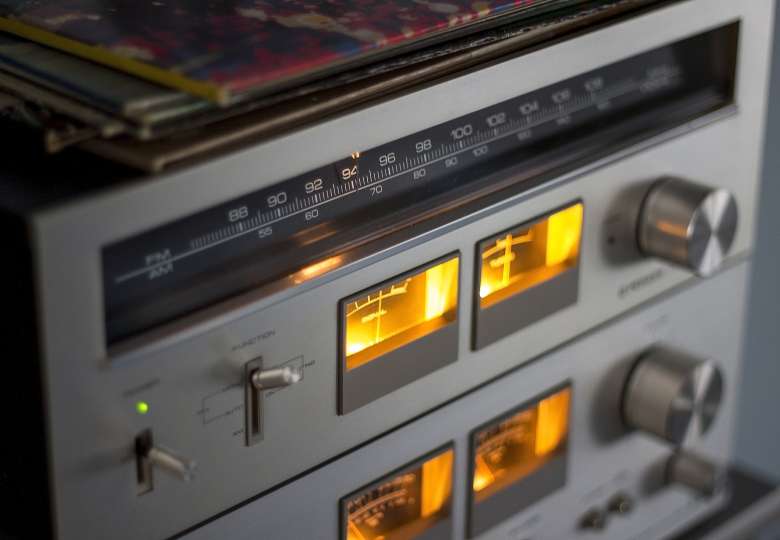


FM radio might seem like a relic from a bygone era in our fast-paced, digital world, but it still holds a special place in many people’s hearts. Think about the last time you flipped through stations while driving, discovering a familiar tune or catching up on local news. There’s something comforting about that experience, right? Despite the rise of streaming services and social media, FM radio continues to be an essential source for entertainment and information—especially in tough times. We’re diving into why FM radio matters now more than ever, exploring its unique advantages that keep it relevant and cherished even as technology evolves.
FM radio remains a vital medium in the digital age due to its wide reach, affordability, and ability to connect listeners with diverse content, including local news and emergency information. Additionally, its successful integration with digital technologies ensures that it continues to engage audiences while fostering community loyalty in ways that many digital platforms cannot replicate.
The Unmatched Sound Quality of FM Radio
One of the standout features of FM radio is its ability to deliver rich, high-fidelity audio, bringing music and voice to life in a way that captures the listener’s attention. Unlike streaming services, which can experience compression artifacts—those annoying distortions that can muddy your favorite tracks—FM broadcasts maintain smooth audio quality. It’s akin to enjoying a home-cooked meal rather than opting for a fast-food alternative; there’s an undeniable richness and flavor in every note you hear.
Interestingly, audiophiles and casual listeners alike have expressed a preference for FM radio over digital streams. According to research conducted by Nielsen, around 75% of listeners favor FM radio for music quality while driving. This trend speaks volumes about FM’s position as a reliable source for clear and enjoyable sound. When you’re driving through various terrains and weather conditions, the last thing you want is audio interruptions or compromised quality.
It’s almost poetic how the simple act of tuning into a local station can evoke such depth in sound. There’s a certain warmth in those frequencies that just resonates with us.
The technical aspects are equally compelling. FM radio typically operates on a frequency response range of 30 Hz to 15 kHz, which enables it to provide low bass tones and crisp treble notes that envelop the listener in an auditory embrace. In contrast, many digital streaming platforms offer audio ranging from 128 kbps to 192 kbps; while adequate, this can sometimes fall short of the clarity promised by FM signals.
| Aspect | FM Radio | Digital Streaming |
| Frequency Response | 30 Hz – 15 kHz | Varies (often lower) |
| Average Bitrate | Up to 192 kbps | Typically 128 kbps |
| Signal-to-Noise Ratio | Approximately 60 dB | Generally, around 50 dB |
| Total Harmonic Distortion | Less than 0.5% | Often above 1% |
The overall listening experience becomes more immersive with higher fidelity. You’re not merely hearing music; you’re feeling it, creating an emotional connection that enhances every song played over the airwaves.
However, beyond just these numbers lies a deeper story—one of community connection and local engagement that FM radio uniquely offers in ways digital platforms struggle to replicate. As we explore further, we’ll uncover how these connections form vital links within our neighborhoods.
Strengthening Community Ties
Local FM stations serve as the heartbeat of their communities by offering localized content that creates a strong sense of connection. Sarah Thompson, a resident of Springfield, captures this sentiment perfectly: “I listen to my local FM station every morning for news updates and community happenings. It makes me feel connected.” This profound statement highlights how well local radio weaves itself into the fabric of daily life.
FM radio stations often take an active role in their regions, hosting local events that foster unity among neighborhood residents. Imagine this: a community festival funded and promoted through your local station. They don’t just provide an announcement; they engage listeners through live broadcasts or interviews with participants and organizers. Such activities elevate local spirits and give residents a sense of ownership over their community’s culture and happenings.
During emergencies, these stations become lifelines, delivering crucial information tailored specifically to the communities they serve. For example, when wildfires threatened certain areas, local FM stations quickly disseminated vital evacuation routes and safety tips, ensuring listeners had the information needed to make informed decisions about their safety.
The intimate nature of local radio turns passive listeners into active participants. By featuring stories, music, and events from its own community, FM radio becomes a mirror reflecting the values and culture of the people it serves. This authentic connection, anchored in shared experiences, is something digital platforms often struggle to replicate. Statistics show that approximately 70% of listeners believe local radio stations provide a sense of community and belonging.
As we continue, it’s important to recognize that this connection goes beyond mere entertainment; it creates loyal listeners who depend on these stations for valuable information, companionship, and support.
Affordable and Accessible Broadcasting
One of the standout features of FM radio is its low cost and widespread accessibility, opening the door for individuals and small communities to engage with media without overwhelming financial burdens. Unlike setting up a television advertisement, which can drain budgets, FM radio advertising remains attainable for many local businesses. According to the National Association of Broadcasters, radio ad rates have risen at a slower pace than print and TV options, making it a financially sound choice for those looking to get noticed.
Imagine a local bakery wanting to promote their new line of pastries. Instead of spending a hefty sum on a flashy commercial that may not even reach their target audience, they can opt for a well-placed radio spot that speaks directly to local listeners—an opportunity that keeps them in the community’s heart and mind.
Cost Comparison
To visualize this affordability, it’s essential to consider how FM compares with other advertising mediums.
Take a look at this table, which provides an average cost per thousand impressions (CPM):
| Medium | Average Cost Per Thousand Impressions (CPM) |
| FM Radio | $5-$15 |
| TV Advertising | $20-$50 |
| Newspaper Ads | $10-$30 |
| Digital Ads | $10-$20 |
As shown in this comparison, FM radio advertising is remarkably economical. This not only enables businesses to promote their products or services effectively but also contributes to a thriving local economy where community voices matter.
Beyond its affordability lies another essential aspect: accessibility.
The magic of FM radio is that it reaches broad audiences across various demographics without requiring sophisticated technology or high-end subscriptions. Whether you’re commuting in your car, relaxing at home, or working at an office, tuning in to your favorite station is as simple as turning a knob on any basic radio receiver. You don’t need a high-speed internet connection or data plans; just the sheer simplicity of FM technology makes it universally approachable.
For those living in areas with limited internet connectivity, like vast rural landscapes where reliable broadband access is hard to come by, FM radio serves as a vital source of information and entertainment. It doesn’t just deliver news and music—it creates a sense of belonging and connection among listeners who might otherwise feel isolated.
“FM radio’s strength lies in its ability to maintain important community ties while offering essential information—like weather updates or emergency alerts—that can be crucial for residents.”
With each broadcast, no matter how small the station might be, listeners find themselves wrapped in stories that reflect their lives and experiences—a potent reminder that radio remains deeply rooted in every locality’s fabric.
The strengths of affordability and accessibility lead us seamlessly to explore what truly distinguishes FM radio: its remarkable content diversity that caters to every audience.
Innovative Content Diversity
FM radio has expanded beyond simple music playlists to deliver an impressive array of programming that resonates with varied audience preferences. This evolution is more than just an attempt to fill airtime; it serves as a strategic approach to engage listeners in a competitive audio landscape. Whether you have a penchant for the soulful melodies of jazz, the energizing beats of pop, or even discussions on pressing social issues, FM radio offers something for everyone.
According to recent trends, stations have harnessed the power of niche music genres. For instance, some channels now dedicate their entire lineup to specific styles—be it jazz, rock, or classical. By doing so, they create a community for enthusiasts who desire deeper exploration beyond mainstream soundtracks. They don’t just play songs; they curate experiences that spark conversations among fans about different styles and artists.
Additionally, talk shows have flourished on FM radio, becoming platforms for discourse that cover an extensive range of topics, including sports commentary, true crime narratives, and even financial advice. One weekend morning, when I was tuned in to my local station, a lively discussion unfolded about sustainable investing strategies. It turned out many listeners not only appreciated the insight but also engaged actively through phone calls and social media queries related to the episode.
A notable trend is how educational programs are making a comeback. From language learning segments to history lessons featuring local legends or global events—radio has become a reliable source for those eager to learn while commuting or multitasking at home.
Community-Focused Segments
Beyond entertainment and education, perhaps one of the most significant innovations in FM radio is how it fosters community engagement via local programming. Many stations provide timely updates on local news, weather conditions, and even alerts about emergencies that affect daily life. For example, during extreme weather events, having immediate access to local knowledge can be crucial. A familiar voice addressing listeners reassures them while guiding actions—be it preparing for impending storms or navigating through traffic changes caused by community events.
Furthermore, engaging with the community goes both ways; listeners often contribute stories or concerns that stations incorporate into their programming. This participatory model strengthens relationships between broadcasters and audiences, making each broadcast more relevant and impactful.
FM radio’s innovative content diversity exemplifies its vital role not only as an entertainment medium but also as an invaluable resource within communities. As we continue exploring this topic, let’s examine how these platforms serve critical functions during emergencies and natural disasters.
Essential Emergency Communication
In times of crisis, FM radio emerges as an indispensable channel for delivering critical information to the masses. Its unparalleled ability to reach vast audiences is particularly evident when all other forms of communication fail.
For instance, during Hurricane Katrina, the chaos left many residents without electricity or internet access. Those who had battery-powered radios could tune in to essential broadcasts providing real-time updates on the storm’s progress, evacuation routes, and locations for seeking shelter. The stories that emerged from those harrowing days highlight how crucial access to immediate information is; it can mean the difference between safety and peril.
This capacity to transmit accurate and continuous information is where FM radio truly shines, especially during emergencies when phone lines may be overloaded or down entirely. Unlike digital platforms that rely heavily on infrastructure—which can become compromised during disasters—FM radio operates on frequencies that penetrate buildings and barriers more effectively. This unique advantage allows it to disseminate vital weather alerts and emergency updates consistently.
According to the Federal Communications Commission (FCC), about 70% of Americans turn to FM radio for reliable information in emergencies. Moreover, studies show that FM radio played a significant role in broadcasting weather warnings, with 80% of NOAA weather alerts being transmitted through its channels.
The encouraging statistics extend beyond just convenience; they echo the profound impact FM radio has on community resilience. When natural disasters strike, local stations become trusted sources of information, often providing tailored alerts relevant to specific areas. This localized content fosters a sense of community and trust, making listeners feel cared for and connected, even amidst turmoil.
Recommendations for Enhanced Preparedness
Recognizing the inherent value of this medium, governments and emergency services consistently leverage FM radio as a frontline tool for disaster response. Residents are encouraged to equip themselves with battery-powered radios as part of their emergency preparedness kits. Keeping one handy can assure access to timely information when the unexpected occurs.
As climate change continues to increase the frequency and severity of natural disasters, it’s imperative that communities bolster their emergency preparedness plans—including integrating FM radio as a reliable option for communication. Embracing this traditional yet effective platform ensures that essential alerts reach those who need them most.
While it remains an essential tool during emergencies, FM radio’s evolution alongside advancements in technology paves the way for new opportunities in communication and engagement.
Seamlessly Blending with Digital Technologies
FM radio is carving out a unique niche in the digital age, proving that the two formats can harmoniously coexist. The transformation begins with streaming services. Many FM stations are now making their content available online, giving listeners the flexibility to tune in at their convenience, whether they are at home or on the go. Imagine sipping your morning coffee while effortlessly streaming your favorite local station through your smartphone or even while driving; it’s that simple!
Adding to this accessibility, smart speakers like Amazon Echo and Google Home have emerged as allies of FM radio. With just a voice command, users can easily access their preferred FM stations without fiddling with buttons or switches. This presents a different experience—one that invites you to engage in your home’s ambiance while staying connected to the local news, music, and talk shows.
“The move to digital broadcasting has transformed how we connect with our audience,” say many radio professionals who witness this synergy firsthand.
In fact, sometimes it feels like the radio dial itself is going digital! Gone are the days of static-filled frequencies; today’s listeners enjoy crystal-clear sound delivered at their beck and call. Whether it’s a weather update or a community event announcement, embracing new technological platforms ensures that information flows swiftly and seamlessly between broadcasters and listeners.
However, it’s essential to find a balance. While digital integration offers numerous benefits, maintaining the core charm of FM radio is equally crucial. It’s about preserving authenticity while innovating to keep up with audience expectations—I mean, who doesn’t love that familiar voice on the radio?
By intertwining traditional broadcast methods with modern technology, FM radio is not merely adapting; it’s flourishing in new and exciting ways. As we further examine its impact on audiences nationwide, we’ll uncover how this blend enhances our listening experiences and ensures FM remains a staple in music and communication culture for years to come.
Want to explore more about FM’s impact? Tune in to our Urban Music Channel for curated content!