

As a team dedicated to broadcasting music and culture around the globe, we often hear listeners ask whether they should stick to traditional FM radio or embrace internet radio through mobile apps. It’s an important question, especially in an era when smartphones, smart speakers and Wi‑Fi have blurred the lines between what used to be two distinct ways of listening. On one hand, FM radio continues to deliver the warm analog sound many of us grew up with and remains a trusted source of local news and emergency updates. On the other hand, internet radio platforms like Glacer FM deliver 24/7 streaming across continents, providing a rich mix of independent music, podcasts and on‑demand shows that you can access anytime. In this post, we’ll share our perspective on the strengths of each option and explain why internet radio apps have become our preferred platform for connecting artists and listeners worldwide.
What Makes FM Radio Appealing
FM radio has been a staple in homes and vehicles for decades. It operates on a reliable band of frequencies (88 – 108 MHz) that most car stereos and portable radios can pick up. Here are some of the benefits listeners still appreciate about traditional FM:
- Analog warmth and familiarity: Many listeners enjoy the perceived warmth of analog FM sound. There’s a nostalgic comfort in turning a dial and hearing a familiar station come through without needing an internet connection.
- Low latency: FM broadcasts are nearly instantaneous because they’re transmitted over the airwaves rather than through data packets. This makes live sports and news feel immediate and exciting.
- Emergency reliability: FM radio can continue operating during power outages or internet disruptions, making it a trusted source for emergency information. This resilience is one reason many households keep an FM radio handy.
- Local focus: Local FM stations provide community updates, regional news, and area‑specific advertisements that connect listeners to their neighborhood. When you crave hyper‑local content, FM is often the quickest way to hear it.
While these benefits are noteworthy, FM’s limitations have become more apparent as digital technology evolves. The analog frequency range only reaches about 40 – 50 miles from the transmitter, and programming options are limited by the number of stations available in each region. This is where internet radio apps come in.
The Power of Internet Radio Apps
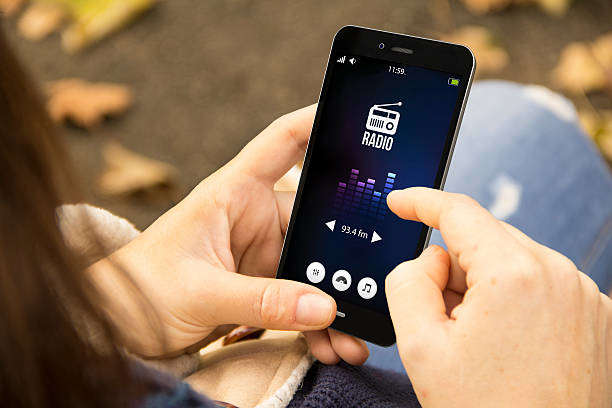
Internet radio uses digital streaming to broadcast audio over the web. Apps and websites allow you to tune in from anywhere as long as you have an internet connection. As the creators of Glacer FM, we’ve seen how internet radio can transform the listening experience. Here are some reasons why internet radio via apps is transforming how people listen:
- Global reach: Internet radio demolishes geographical barriers. Two listeners—one in Sydney and another in Montreal—can listen to the same station with just a tap. Our own station streams 24/7 from Seattle, New York, Cheyenne and Los Angeles, giving independent artists a chance to reach a global audience.
- Unlimited variety: With thousands of stations online, listeners can access niche genres and programs that would never appear on local FM. Glacer FM offers genre‑specific channels—Glacer Mix for everything from alternative and jazz to world music; Glacer RCM for rock, country and metal; Glacer Urban for hip‑hop, R&B and rhythmic music; and Glacer Underground for emerging artists across all genres. Listeners can explore culture and music beyond their local stations.
- On‑demand listening: Many internet radio apps include podcasts and recorded shows that you can listen to whenever you like. Our platform features on-demand podcasts and shows on a range of topics—news, culture, education, sports, music and more—available 24/7. This flexibility lets you build a listening schedule that fits your life instead of having to tune in at a specific time.
- Interactive features: Internet radio apps often provide interactive elements like chat rooms, song requests or social media integration. At Glacer FM, we welcome listener feedback and song requests and encourage artists to submit their music for consideration. This two-way connection deepens engagement and helps us tailor programming to what listeners want to hear.
- Better audio quality: Streaming services can offer high bit‑rate audio that competes with FM. As our blog explains, some streams transmit at 320 kbps and can rival or surpass FM clarity when the connection is strong.
- Accessibility across devices: Thanks to smartphones, smart speakers and in‑car internet connections, you can carry your favorite stations with you. Our listeners tune in via apps, browsers and connected devices, making it easy to enjoy curated music wherever they go.
- Opportunities for new creators: Internet radio lowers barriers for broadcasters and podcasters. We welcome podcasters to submit their shows for inclusion on Glacer Underground—our indie channel. Shows are aired live weekly, then made available on demand. Requirements are simple: send a pre‑recorded MP3 regularly, ensure all content is royalty‑free and promote your show through social media. This democratization of broadcasting encourages diverse voices and gives independent artists a platform to grow.
Comparing FM Radio and Internet Radio Apps
Both FM radio and internet radio have unique strengths. To understand which is better for your listening needs, it helps to look at a few key factors:
Coverage and Accessibility
- FM Radio: Coverage is limited by transmitter range; signals usually reach 40–50 miles. When traveling outside of this range, you often lose the signal and must search for new stations. Some rural or mountainous areas have spotty FM coverage due to physical obstacles.
- Internet Radio Apps: Available anywhere with an internet connection, whether you’re at home, driving cross‑country, or sitting in a café on another continent. Apps do rely on bandwidth, so listening requires a stable connection and can be limited by data plans or coverage in areas with poor internet service.
Content Variety
- FM Radio: Content is curated by local stations and often includes music, talk shows and commercials targeted to the region. Choices are limited by the number of stations in your area.
- Internet Radio Apps: Offer an endless array of genres, languages and program types. Glacer FM alone provides four dedicated music channels covering everything from hip‑hop to world music, plus podcasts, interviews and curated playlists.
Reliability and Latency
- FM Radio: Delivers live content with minimal delay, making it ideal for real‑time events. It continues operating during power outages and doesn’t depend on internet infrastructure.
- Internet Radio Apps: May experience buffering or drops if your internet connection is weak. However, improved connectivity and 5G networks are reducing these issues.
Personalization and Interactivity
- FM Radio: Programming is set by station managers; listeners can’t skip songs or pick specific shows on demand.
- Internet Radio Apps: Let you personalize your experience with curated playlists and on-demand shows. We encourage listeners to request songs and submit music, making our programming more dynamic.
Cost and Advertising
- FM Radio: Typically free to listen to, but commercials are dictated by local stations and can be repetitive. Traditional radio advertising can be expensive for brands.
- Internet Radio Apps: Most stations stream for free or have affordable subscription tiers. Our station offers advertising packages that help businesses reach a global audience cost‑effectively, creating campaigns tailored to their needs. Internet radio also provides measurable metrics so advertisers know who they’re reaching.
How Glacer FM Enhances the Internet Radio Experience
We created Glacer FM to take full advantage of the benefits of internet radio while maintaining the communal spirit of traditional broadcasting. Our mission is to showcase unsigned and independent music worldwide. Here’s how we make internet radio special:
- Genre‑specific channels: Our four channels—Glacer Mix, Glacer RCM, Glacer Urban and Glacer Underground—ensure listeners always find music they love. Each channel focuses on specific genres and includes interviews and shows relevant to those scenes.
- Support for artists and podcasters: We offer services like music broadcasting packages, music blocks, featured artist promotions and interviews. Independent musicians can submit songs for regular rotation on Glacer Underground, with options for 30 or 90 day campaigns. Podcasters can have their shows aired live on our indie channel and available on demand.
- Global advertising opportunities: Our advertising service connects businesses with a worldwide audience. We create customized packages to raise brand awareness across London, New York, Los Angeles and beyond, making global marketing accessible to companies of all sizes.
- Featured artist promotion: Musicians can get their music videos featured on our site for three or nine months, ensuring visibility to thousands of visitors. Artists can also have dedicated pages listing their biographies, photos and music store links.
- 24/7 Broadcast: We broadcast continuously from multiple cities, ensuring you can tune in anytime. This constant presence keeps listeners engaged and provides a platform for emerging artists to gain exposure.
- Listener‑driven programming: Our content choices are guided by listener requests. We encourage our community to share thoughts and ideas, making Glacer FM an interactive platform built around what our audience wants.
Which Should You Choose?
Ultimately, the choice between FM radio and internet radio apps depends on what you value most:
- Stay with FM if you prioritize local news, immediate broadcasts for live events and reliable reception during emergencies. FM’s simplicity may be appealing when internet connectivity is weak or limited.
- Embrace internet radio apps if you crave diverse music, niche genres, global accessibility and on‑demand listening. Apps also offer interactive features and personalized content that can make your listening experience feel curated and community‑driven.
For us, the future of FM internet radio is about giving listeners more freedom, more variety, and more ways to discover new sounds. As a global online radio station, Glacer FM connects music fans with independent artists, podcasts, shows, and genre-specific channels like our urban music channel and underground music radio platform. Whether you want to stream fresh music, discover unsigned artists, submit your own tracks, or promote your brand to a wider audience, we invite you to tune in to Glacer FM and experience how modern internet radio FM brings global listening directly to your device.