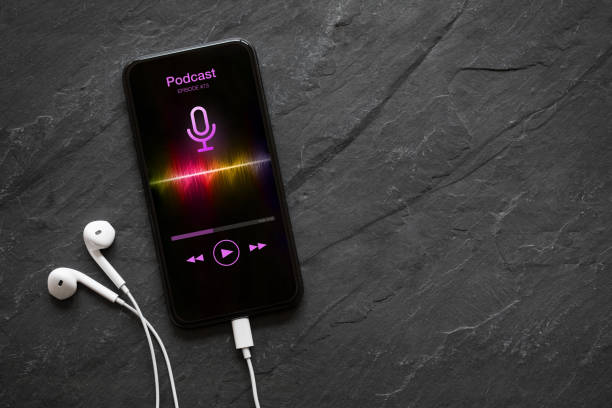


Listening to music has changed a lot over the years, but nothing quite like the way it does now. Imagine a radio station that doesn’t just play what’s popular or predetermined but actually knows your mood, your day, and even your surroundings, then picks songs just for you. That’s what personalized FM is all about: turning music streaming into a smart, ever-changing experience that feels like it was made specifically for you. This shift is quietly transforming how we connect with music every day, making each listen feel fresh and personal in ways we never expected.
The Rise of Personalized FM refers to the evolution of music streaming into AI-powered, context-aware experiences that tailor playlists and stations uniquely to each listener’s preferences, emotions, and environment. Leveraging advanced machine learning algorithms, emotion recognition, and contextual data from sensors and wearables, Personalized FM delivers proactive and dynamic music curation that adapts in real-time, offering a deeply personalized and immersive audio experience.
The Evolution of FM Radio
FM radio’s roots trace back to the 1930s with Edwin Armstrong’s revolutionary frequency modulation system, which cut through the static and interference troubling AM broadcasts. This advancement alone elevated the listening experience, delivering clearer, richer sound to households around the world. Yet, for decades after, FM radio remained largely a one-way broadcast system, tuning into predetermined stations chosen by programmers rather than listeners themselves.
The shift toward digital in the 1990s began altering this landscape. Digital FM brought not only improved audio quality but also the capacity to host multiple channels on a single frequency, expanding choices within traditional radio frameworks. Around the same time, advancements in internet connectivity opened the door for music streaming platforms like Pandora to emerge in the early 2000s. These pioneers introduced algorithm-based “radio” stations that analyzed song attributes and listener preferences to generate tailored playlists, an embryonic form of personalization that felt revolutionary compared to traditional broadcast models.
Building on these foundations, the last decade has transformed personalized radio from simplistic algorithms into intelligent systems powered by advanced AI.
Today’s personalized FM transcends the limits of fixed programming by leveraging machine learning models that study explicit feedback, such as likes or skips, alongside implicit behavioral data, like how frequently you replay certain tracks or pause mid-song. This dynamic approach means your radio station evolves continuously in real time, adapting fluidly to your moods, location, or time of day. Integration with wearable sensors and smart home devices further elevates this experience by detecting contextual cues and tailoring playlists accordingly.
This evolution also raises important questions about how personalization might subtly shape our emotional states or restrict musical diversity if unchecked. Leading platforms are addressing these concerns by incorporating ethical AI principles that promote transparency, user control over recommendations, and the inclusion of mood-lifting song sequences inspired by psychological therapies.
Advancing from foundational innovations toward an era where technology and emotion intersect naturally leads us to a closer examination of precisely how today’s music streaming services define and deliver this highly personalized listening experience.
What is Personalized FM?
Personalized FM redefines what it means to tune into a radio station by harnessing powerful algorithms and artificial intelligence to design musical experiences crafted precisely for you. Unlike traditional FM stations that broadcast a uniform playlist to everyone, personalized FM interprets your unique preferences, both the songs you love and those you skip, to build a continuous stream that resonates on an individual level.
This technology learns not just from the explicit feedback you provide, such as favoriting or rating tracks, but also from subtle, implicit signals like listening duration and skip frequency. The result is a dynamic, ever-evolving playlist that feels less like a broadcast and more like a conversation between your taste and the music world.
Understanding these mechanics helps explain why personalized FM appeals so strongly to today’s listeners.
At its core, personalized FM adapts in real time. Imagine starting your day with a station that intuitively lowers tempo during your morning coffee ritual but seamlessly shifts gears when you hit the gym hours later, all without you lifting a finger.
This level of contextual sensitivity is made possible by analyzing extensive data points: time of day, location, and even biometric inputs in some advanced platforms. It’s about creating not only a soundtrack to your life but one that anticipates your needs before you realize them yourself.
This responsive nature of personalized FM opens doors far beyond simple song recommendations.
A 2023 study revealed that 70% of listeners now prefer personalized stations, citing their heightened ability to introduce fresh artists and genres aligned with personal taste. Unlike static playlists or human-curated stations limited by subjectivity or scale, AI-driven personalization dives deep into vast music libraries, often uncovering hidden gems that perfectly match your evolving mood and style.
Moreover, some services are pushing personalization beyond auditory cues into multisensory realms. Take Moodify, for instance, a platform capable of reading facial expressions through your device’s camera and shifting its music selections accordingly.
If it detects stress, soothing soundscapes flow; if happiness beams through your smile, upbeat tracks energize your experience. These innovations illustrate how personalized FM is not only tracking what you listen to but also who you are in each moment.
While this technology holds fantastic promise, it also invites us to consider the deeper connections between music, identity, and emotion.
In essence, personalized FM transforms passive listening into an active partnership between listener and service, balancing algorithmic intelligence with human feeling. For those seeking music that truly reflects their lifestyle in 2025 and beyond, this revolution offers an unprecedented journey through sound tailored just for you.
Moving forward, it is crucial to understand the complex technologies powering these custom stations and how advances in AI and data science work behind the scenes to craft your unique listening experience.
Technology Behind Customized Stations
At the heart of personalized FM is a sophisticated interplay of algorithms designed to learn and predict what you want to hear next. Machine learning forms the foundation by analyzing your behavior, every song you play, skip, or replay feeds into a dynamic profile reflecting your evolving tastes. This data extends beyond simple interactions; algorithms consider contextual factors like the time of day, day of the week, or even seasonal preferences. For example, songs you favor on a lazy Sunday morning might differ widely from those you select during an energizing weekday workout.
But this adaptive intelligence doesn’t just stop at what you do, it dives much deeper into the music itself.
Enter deep learning, an advanced form of machine learning that processes vast amounts of more complex and unstructured data. Instead of only looking at straightforward actions, deep learning models analyze rich information like song lyrics, vocal tone, instrumentation, and even global social media trends. This allows the system to grasp emotional nuances and cultural context embedded in music. Imagine your station recognizing not just that you enjoy upbeat pop but also identifying the mood behind the lyrics, tailoring your playlist to fit how you’re feeling at that moment.
These layers of understanding come together with collaborative insights for truly personalized suggestions.
Collaborative filtering is another crucial piece in the puzzle. This technology compares your listening habits with millions of others who share similar profiles. By grouping listeners into clusters based on shared preferences it suggests songs popular within that community but perhaps unknown to you. It’s as if a friend with a similar taste recommends a hidden gem, expanding your musical horizon while keeping it relevant.
As we step further into 2025 and beyond, expect these systems to integrate more real-time environmental data to fine-tune recommendations even further. In many ways, personalized FM stations have transformed from passive playlists into intuitive companions that anticipate and adapt to your unique rhythm of life.
With such advanced technology shaping our musical experiences, it’s only natural to explore how these systems decide precisely which tracks land on your playlist next.
Enhancing User Experience
Personalized FM transforms music streaming into a tailored soundtrack for your life, making discovery effortless and deeply satisfying. This isn’t about random shuffle anymore, it’s about every track feeling like it was handpicked just for you.
The magic starts with seamless transitions between songs. Unlike blunt playlist jumps that abruptly switch moods or styles, these platforms use machine learning to weave songs together naturally. This subtle continuity keeps listeners drawn in, creating an emotional throughline rather than an interrupted story.
But smooth fades and crossfades aren’t where it ends; sophisticated context awareness elevates the connection even further. Your music adapts dynamically based on variables like time, activity, or even your location. In the early morning hours when you might sip coffee slowly, the system nudges playlists toward calmer, softer tones.
When you’re working out, energetic beats pick up pace without you lifting a finger.
The result is not just music playing at you but music that syncs with your rhythm of life. Think about how frustrating it can be to manually curate different playlists for workdays, weekends, or commutes, personalized FM does that job invisibly and anticipates your needs.
Beyond mood and energy, these adaptive playlists also refine themselves over weeks and months by learning what you skip instantly versus what you linger on or save. That feedback loop deepens the relevance of every recommendation, eliminating filler songs so you spend more time immersed and less time scrolling.
For users who want to get the most out of this experience, consider giving platforms explicit preferences, thumbs-up or down signals, or building initial tastes by liking tracks during setup. The richer your input, the sharper the curation cake becomes.
Imagine personalized FM as a skilled DJ at a party who reads the room expertly, not just tossing popular hits blindly but sensing when energy dips or peaks and adjusting tracks accordingly to keep everyone grooving effortlessly.
Yet, enhancing experience goes even deeper as such platforms begin exploring new premium tiers layering exclusive content and early access perks, turning passive listening into an active journey curated uniquely for each fan’s passion and pace.
These evolving features signal more than just user convenience; they mark a fundamental shift in the relationship between fans, artists, and streaming services. We now move toward assessing how these changes ripple throughout the broader musical landscape, shaping industry economics and cultural trends alike.
Impact on the Music Industry
The rise of personalized FM stations has reshaped how music reaches audiences and how artists craft their careers. In a world where radio playlists react dynamically to listener preferences, traditional gatekeepers lose some control, allowing fresh voices and diverse sounds to emerge. This shift means that artists aren’t just banking on one hit album anymore; they’re engaging listeners continuously. The focus leans heavily on maintaining a flow of new material, singles, remixes, and collaborations that keep them present in those tailored playlists.
Because personalized FM leverages sophisticated algorithms, it can spotlight niche genres and emerging talent that mainstream programming might overlook. This democratization allows independent musicians a foothold in an industry once dominated by major labels and rigid programming policies. However, this also places increased pressure on artists to produce content more frequently, sometimes at the expense of artistic depth or long-term projects.
Alongside creative shifts, these changes ripple through the financial side of the industry as well.
As revenue models pivot from selling physical albums or full-length digital downloads to streaming royalties, earning streams, literally, requires volume. Every individual play counts toward an artist’s income, turning exposure directly into earnings but emphasizing quantity over quality to some degree. This has led many musicians to rethink their release strategies, distributing singles regularly instead of waiting years between albums. While this approach keeps fans engaged and stream counts high, it also demands relentless productivity and savvy marketing to stand out in highly competitive personalized playlists.
Additionally, personalized FM introduces new complexities around royalty distribution. Algorithms affect who gets airtime and how often, causing fluctuations in revenue that can be difficult for artists to predict or control. Labels and artists have had to become more data-savvy, tracking playlist placements closely to understand which tracks perform best and adjusting promotion accordingly. This shift challenges long-standing practices but opens doors for those who master the analytics behind audience engagement.
These forces together redefine not only how music is consumed but also how the entire business operates day-to-day.
For traditional players like radio stations, embracing personalization means combining human curation with machine learning to deliver content that resonates deeply with listeners. From a marketing perspective, targeted advertising tied to listener preferences becomes remarkably effective, supporting both station revenue and artist promotion simultaneously. According to recent reports, enhancements in audience measurement methods have increased credited listening time by up to 24%, particularly among younger demographics, creating greater value for advertisers and artists alike.
Ultimately, the rise of personalized FM confirms what many anticipated: music consumption is moving toward fluidity and customization. Artists gain new paths for discovery and income but must adapt fast to keep pace. Listeners enjoy a richer variety tailored precisely to their tastes, while the industry evolves into a data-driven, dynamic ecosystem that balances creativity with immediacy.
For artists navigating these waters, staying relevant means embracing digital tools fully: engaging with analytics platforms, building direct fan connections via social media and streaming services, and consistently feeding their personalized audience pipelines with fresh tracks designed for today’s fast-turnover listening culture.
With these shifts setting a new standard for music delivery and consumption, it’s essential to look ahead at upcoming innovations that will continue reshaping personalized listening experiences in the near future.
Future Trends in Personalized FM
Personalized FM is rapidly becoming more than just a support service; it’s transforming into a fully integrated experience that tailors every aspect of a workspace, and notably, how we engage with music within these environments.
One major driver of this evolution is the seamless integration with smart devices. In 2025, as smart homes and wearable technologies saturate daily life, your office or workspace could automatically adapt music to your location and mood.
Imagine walking from a lively collaboration zone into an intimate focus room, where the music shifts from energizing beats to calming instrumental pieces, all orchestrated without you lifting a finger. This kind of responsiveness not only enhances well-being but also directly ties into productivity by creating an atmosphere tailored to activity.
The backbone of these personalized experiences is artificial intelligence. AI’s role will expand well beyond simply suggesting playlists based on past listening habits.
Thanks to advanced algorithms and data analytics, future systems will anticipate your preferences even before you realize them yourself, predicting when you might need motivation with an upbeat song or when it’s time for tranquil background sounds to help concentration.
This proactive approach transforms music streaming from reactive entertainment into a dynamic tool that supports workplace efficiency and satisfaction.
Yet, as this powerful customization gains ground, it brings ethical questions alongside remarkable convenience.
Ethical Concerns
The abundance of personal data fueling these AI-driven FM solutions means privacy and emotional integrity must be top priorities.
There’s a fine line between enhancing user experience and manipulating emotional states through music selection. Facility managers and technology providers need to implement transparent policies about how data is collected, used, and protected.
At Glacer FM, we emphasize ethical stewardship, ensuring users feel in control rather than surveilled or influenced unknowingly. Striking this balance is crucial as trust grows alongside technological capabilities.
Additionally, responsible AI use means allowing users to customize their privacy settings and actively opt in or out of certain personalization features.
This respect for autonomy helps ensure that personalized FM empowers, rather than exploits, listeners. In a workplace context where well-being is paramount, maintaining this ethical foundation reinforces both safety and satisfaction.
Taken together, these emerging trends illustrate how personalized FM is redefining the relationship between environment, technology, and user experience in profound ways.
Looking Ahead
For facility managers ready to embrace these innovations, understanding the balance between advanced integration, AI sophistication, and ethical responsibility will be essential.
The workplaces of tomorrow won’t just provide space, they’ll curate atmospheres that inspire focus, creativity, and wellness through smart music management.
As personalized FM continues to evolve, listeners are no longer satisfied with generic playlists or one-size-fits-all programming. Today’s audiences want an online radio station that understands their taste, introduces new sounds, and delivers music that feels personal and authentic. This is where FM internet radio is redefining the listening experience, especially for fans of urban culture and emerging artists who want more than mainstream rotation.
Glacer FM offers a next-generation internet radio FM experience designed for discovery. As a global urban music channel and underground music radio platform, Glacer FM blends intelligent curation with real radio energy, connecting listeners to fresh tracks, rising artists, and nonstop vibes tailored to modern tastes. Ready to experience radio that moves with you? Start listening today and explore the future of online radio at Glacer FM.