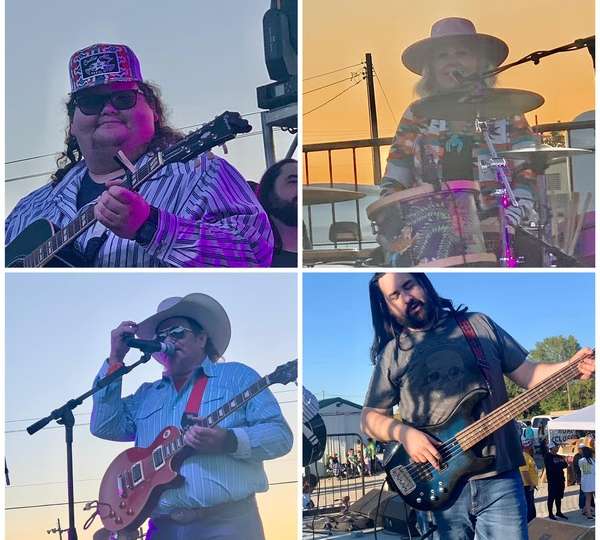


From Street Performer to Studio Star: Buskers’ Success Stories
In the pulsating heart of music, where it flows as freely as a cascading river of rhythm and melody, lies an untold story. An exciting tale that triumphantly bridges from street corners to sophisticated studios with countless tales spun in between. Every twinkling star of the musical constellations started somewhere. For some, their launch pad isn’t a conventional choir room or singing classes but the unpredictable, colorful, and vibrant world of busking.
Before they were adorning our airwaves on global internet radio stations like GlacerFM, these artists sang their hearts out on busy streets, captivated passers-by, and honed their talent in the open realm. “From Street Performer to Studio Star: Buskers’ Success Stories” is about this thrilling journey to fame where artists flip a coin of faith into the wishing well of dreams. In the world of music, it’s not always about where you start; sometimes, it’s about how uniquely you play your chart!
The World of Performing on the Streets
Performing on the streets may seem like a far cry from achieving studio stardom, but for many successful musicians, it has been the starting point that launched their careers. Busking, or street performing, offers a unique platform for artists to showcase their talent and connect with audiences on an intimate level. It is a world where creativity meets vulnerability, as buskers rely solely on their talent and ability to captivate passersby to earn a living.
Picture this: you’re walking down a bustling street filled with busy commuters and tourists. Suddenly, you hear beautiful music drifting through the air, drawing you closer. As you approach, you see a street performer pouring their heart and soul into their performance, captivating everyone who stops to listen. In that moment, there is a magical connection between the artist and the audience—a shared experience that leaves a lasting impression.
This is the beauty of street performing; it allows musicians to create memorable experiences in unexpected places. The rawness and authenticity of these performances often leave a profound impact and can pave the way for bigger opportunities. Just look at Ed Sheeran, who started his musical journey by busking on the streets of London’s Covent Garden. His passion and talent caught the attention of passersby and eventually industry professionals, leading him to sign a record deal and achieve worldwide success.
Rules and Regulations for Street Performers
Street performers are often subject to various rules and regulations imposed by local governments. These guidelines aim to maintain order, ensure safety, and protect the rights of both artists and the community. While these regulations vary from city to city, they generally cover areas such as designated performance zones, time restrictions, noise levels, permits, and licenses.
For example, some cities require performers to obtain permits or licenses before they can legally busk in certain areas. This not only allows authorities to keep track of the number of performers on the streets but also helps prevent overcrowding and maintain a fair playing field for everyone. By adhering to these regulations, buskers can continue to share their passion with audiences while respecting the needs and concerns of the communities they perform in.
However, it’s worth acknowledging that some argue these regulations can be stifling to the freedom and spontaneity that street performing represents. In response, many cities have made efforts to create designated performance zones where artists can freely express themselves without overshadowing other activities or causing inconvenience. These designated areas provide a balance between artistic expression and maintaining order within public spaces.
Public Reception of Street Performers
The public reception of street performers has transformed over the years, with an increasing number of people recognizing and appreciating their talent, hard work, and contributions to the cultural landscape. Gone are the days when buskers were seen as mere beggars or nuisances on the streets. Today, they are admired for their skillful performances and often attract large crowds of enthusiastic spectators.
One reason for this shift in perception is the rise of social media platforms like YouTube, TikTok, and Instagram. These platforms have provided street performers with a global stage to showcase their talents and gain recognition. Videos of breathtaking dance routines, mesmerizing magic tricks, and captivating musical performances have gone viral, capturing the attention and admiration of millions around the world. This newfound visibility has helped reshape public opinion about street performers, elevating them from the sidelines to center stage.
While public opinion towards street performers has generally become more positive, there are still differing viewpoints within society. It is crucial to strike a balance between supporting artistic expression and respecting the needs and concerns of the community. By fostering understanding and appreciation for the talent and hard work that street performers bring to our cities, we can continue to create spaces where creativity can thrive.
Opportunities and Challenges for Buskers
Busking offers unique opportunities for aspiring musicians to gain exposure, develop performance skills, and connect with audiences in an intimate setting. The streets become their stage, providing a platform for showcasing their talent and building a dedicated fan base. However, along with these opportunities come various challenges that buskers must navigate to succeed in this competitive industry.
One of the most significant opportunities that busking presents is the chance to be discovered by industry professionals. With social media platforms like YouTube, Instagram, and TikTok, buskers have the potential to attract the attention of record labels, talent scouts, and music producers from around the world.
Another advantage of street performing is the direct interaction with audiences. Buskers have the opportunity to engage with people from diverse backgrounds, gain valuable feedback, and refine their craft based on real-time responses. This immediate connection allows them to build a loyal following, cultivate their performance skills, and experiment with new materials or styles. Through repetition and adaptation, buskers can develop an authentic stage presence that resonates with listeners.
How Busking Can Lead to More Professional Gigs
Busking is not only a form of street performance but also a powerful way for artists to gain exposure and open doors to more professional gigs. When you perform on the streets, you are showcasing your talents to a diverse and often large audience, which can include industry professionals, talent scouts, and event organizers. The raw and authentic nature of busking allows you to connect with people on a personal level and leave a lasting impression that can lead to exciting opportunities.
Additionally, busking provides an ideal platform for honing your performance skills and developing your stage presence. Performing in front of strangers day in and day out requires confidence and adaptability. Through busking, you learn how to captivate an audience, read their reactions, and adjust your performance accordingly. These skills are invaluable when it comes to more professional gigs where you may face larger crowds or higher expectations.
Think of busking as a training ground for musicians. Just like athletes need to train on the field or court before they compete in stadiums packed with fans, musicians can fine-tune their craft through street performances before stepping into bigger venues. Busking allows musicians to experiment with different styles, test new songs, and receive instant feedback from their listeners. It’s like having a continuous rehearsal where you get immediate responses from your audience – an invaluable asset for any artist.
Overcoming the Financial Issues of Street Performing
Busking can be financially rewarding, but it also comes with its fair share of challenges. While some successful buskers have managed to earn substantial incomes through performances and merchandise sales, others may struggle with inconsistent earnings. However, with the right strategies and creative thinking, these financial issues can be overcome.
One way to mitigate the financial challenges is by diversifying your revenue streams as a street performer. In addition to accepting tips from appreciative passersby, consider selling CDs or digital downloads of your music. This not only generates additional income but also allows you to connect with your audience on a deeper level by providing them with a tangible representation of your artistry.
Another approach is to leverage social media platforms and online crowdfunding websites. Building an online presence enables you to reach a wider audience beyond your immediate surroundings. You can engage with your followers, share snippets of your performances, and even organize live-streamed concerts where viewers can contribute directly to support you. By harnessing the power of the internet, you can supplement your street earnings and create a more stable income source.
Navigating Talent Agencies and Auditions
Once buskers have honed their craft and are ready to take their music to the next level, they may seek representation from talent agencies or pursue auditions. This step can be crucial in opening doors to professional opportunities and securing contracts with record labels or management teams.
Lindsey Stirling, an acclaimed violinist, and dancer, gained recognition through her unique busking performances on YouTube before she was approached by talent agencies. Her fusion of classical music and modern dance captivated millions of viewers online, ultimately leading her to sign with a major record label. Stirling’s success story highlights the power of social media platforms in attracting the attention of industry professionals.
Talent agencies play a vital role in connecting buskers with opportunities they might not have access to on their own. These agencies have established networks within the music industry, allowing them to pitch artists’ work to labels, secure performance bookings, and negotiate favorable deals. By partnering with reputable talent agencies that believe in their vision and potential, buskers increase their chances of transitioning successfully from street to studio.
As buskers navigate talent agencies and auditions, it is important to remember that success in the studio requires not only talent but also a strong foundation of skills developed through street performances.
Success Stories: Buskers Who Made It to Studio Stardom
Ed Sheeran
The world of music is filled with inspiring success stories of talented individuals who started their careers as street performers and went on to achieve studio stardom. These artists not only honed their skills while busking on the streets but also gained valuable exposure and connections that eventually led them to record deals and widespread recognition.
One remarkable success story is that of Ed Sheeran, whose journey from street performer to international superstar has become legendary in the music industry. In his early days, Sheeran would tirelessly perform on the streets of London, captivating passersby with his soulful voice and heartfelt lyrics. He seized every opportunity to showcase his talent, whether it was playing in small clubs or busking outside popular venues. Eventually, his dedication paid off when he caught the attention of industry professionals who recognized his immense potential. Today, Ed Sheeran is a household name, with chart-topping hits and sold-out stadium tours under his belt.
Tracy Chapman and Janis Joplin
Another compelling example is Tracy Chapman, whose iconic career was kick-started through street performing. Before her breakthrough as a recording artist, Chapman would mesmerize audiences in Harvard Square and on train platforms in Massachusetts with her raw and powerful voice. Her hauntingly beautiful songs resonated with listeners and soon reached the ears of a record executive who signed her to a contract. Chapman’s self-titled debut album became an instant sensation, earning her critical acclaim and multiple Grammy Awards. Her story serves as a testament to the transformative power of busking, as it provided her with both artistic growth and exposure.
Janis Joplin was another artist who found solace in street performing before achieving fame as a rock icon. The blues-rock singer would showcase her incredible vocal range while busking in Austin, Texas, captivating the hearts of those who stopped to listen. This experience not only solidified Joplin’s stage presence but also allowed her to connect with a diverse audience, setting the stage for her later success with Big Brother and the Holding Company. Her passionate and soulful performances continue to inspire generations of musicians to this day.
These success stories highlight the immense impact that busking can have on a musician’s journey to studio stardom. Street performing serves as a platform for artists to refine their skills, gain exposure, and connect with fans intimately. It is through these experiences that they develop their authentic voice and build a loyal following. While not every busker may achieve global fame, there is no denying the transformative power of street performing in nurturing talent and providing growth opportunities.
Skills Development for Musicians on the Streets
Being a successful street performer requires more than just raw talent. It demands a unique set of skills that allow musicians to captivate audiences in unconventional settings and make a lasting impression. The experience of busking offers invaluable opportunities for skill development and growth, shaping musicians into well-rounded performers who are capable of thriving in any environment.
Street performers must possess exceptional adaptability. Unlike traditional stage performances with controlled environments, street performers face unpredictable conditions that require them to adjust instantly. They must be prepared to engage with diverse audiences while navigating distractions such as noise pollution or varying weather conditions. This adaptability allows them to connect with listeners on a deeper level, fostering memorable experiences even amidst chaotic surroundings.
Busking cultivates strong improvisation skills. Musicians in this setting must be versatile, ready to tailor their performance based on the audience’s response or the atmosphere around them. They learn to read the crowd, experiment with different styles or genres, and make spontaneous changes to maintain interest and engagement. These improvisational skills not only enhance their creativity but also foster resilience and confidence in their abilities as musicians.
Furthermore, street performing hones interpersonal communication skills. Engaging with people from diverse backgrounds and cultures on the streets requires effective communication to capture their attention and create a connection. Musicians must develop the ability to convey emotions, stories, and messages through their performances, transcending barriers of language or cultural differences. This skill translates seamlessly into studio work, where artists need to communicate effectively with producers, bandmates, and other industry professionals.
Deep Understanding of Performance Dynamics
In addition to these essential skills, buskers also develop a deep understanding of performance dynamics. The raw and unfiltered nature of street performing allows musicians to observe firsthand how their music affects different individuals and groups. By analyzing audience reactions in real-time, they learn to gauge the impact of their music, adapt their style for maximum impact, and create memorable experiences for listeners.
Many successful artists attribute their growth and success in the studio to the skills developed during their time as street performers. For instance, Beck’s early experience busking in public buses allowed him to intimately connect with his audience and refine his stage presence. This ultimately played a crucial role in his breakthrough single “Loser” and subsequent rise to fame. Similarly, The Roots’ Black Thought and Questlove credit their days of busking on Philadelphia street corners for shaping their unique sound and tight musical chemistry.
Aspiring musicians can benefit immensely from honing these skills through street performing. Whether it is developing adaptability, improvisation techniques, interpersonal communication skills, or a deep understanding of performance dynamics – harnessing these abilities will undoubtedly contribute to their growth as artists while carving their path toward success both on the streets and in the studio. Reach out to Glacer FM today.